What to check before you sign anything
Hire a drying company the way you would hire any contractor, with proof before trust. Check the California contractor license, confirm the deposit is legal, and ask how the crew proves the structure is dry before it leaves.
The pressure is real. The EPA says wet areas should be dried within 24 to 48 hours to prevent mold, so many people sign the first paper put in front of them. A five-minute check on the phone costs less than a bad contract.
Hiring checklist
Ask these in order. A crew that gets annoyed by them is a warning on its own.
- Is the contractor licensed with the California Contractors State License Board, and is the status active at cslb.ca.gov?
- Is the quote in writing, with a scope that names the rooms, the materials to be removed and the equipment to be placed?
- Will the crew work to ANSI/IICRC S500, the published standard for water damage restoration? Ask any company whether its crews follow it.
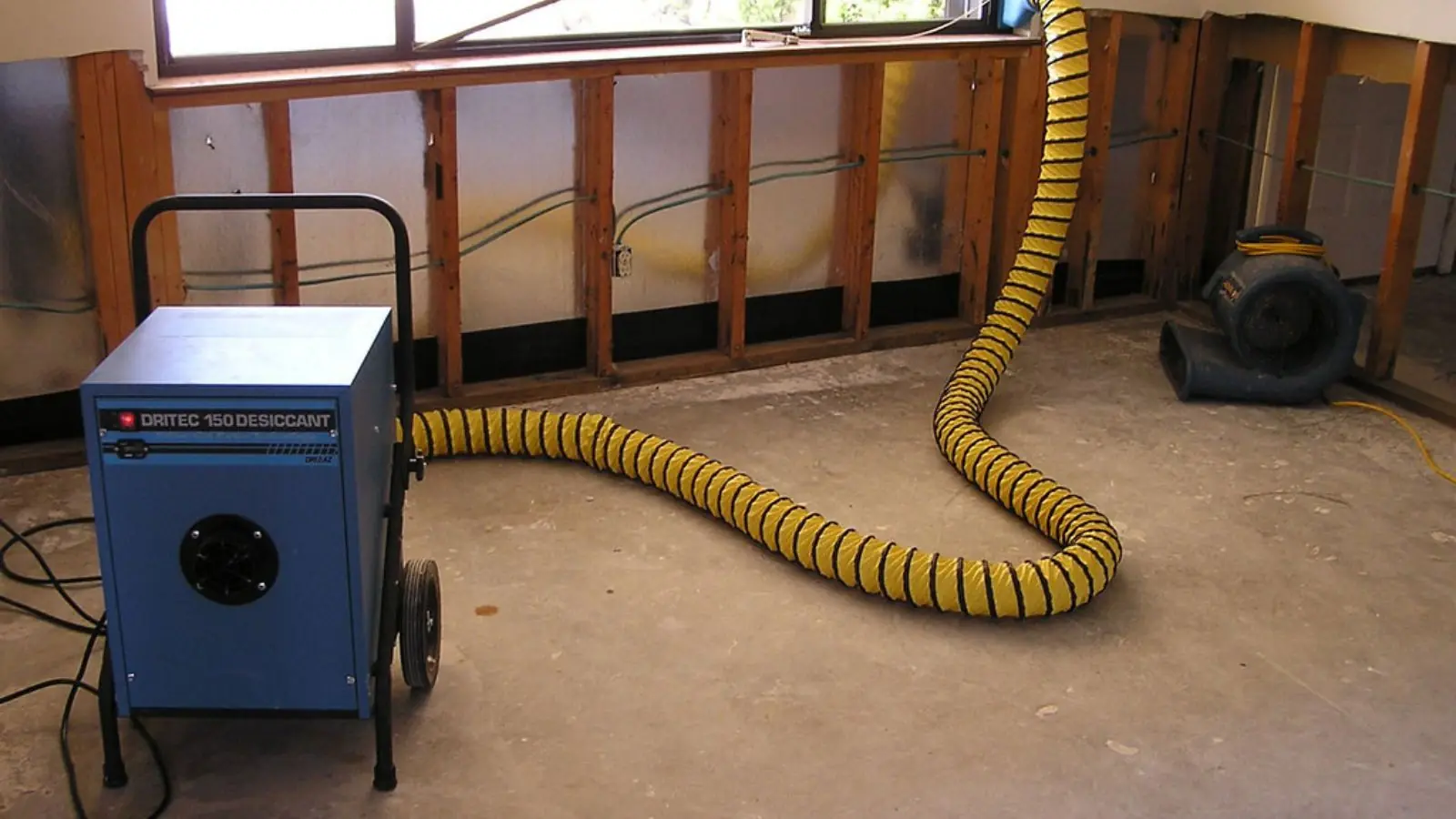
- What equipment goes in: air movers, LGR dehumidifiers, a thermal imaging camera and moisture meters? How many of each for your rooms?
- Who comes back each day to check the readings, and are they written down?
- What reading ends the job, and who signs off that the structure is dry?
- How does the company identify the water category (clean, gray or black) before choosing what to remove?
- What happens if drying runs longer than quoted, and how is that approved?
- Will you get photos of every wet area before and after, for your insurer?
Need a crew tonight?
Dispatch is 24/7 at (949) 670-0939. Ask the questions in this checklist on the phone.
What the California license rules say
License at $1,000
CSLB requires a license for work worth $1,000 or more in labor and materials, and for any job that needs a permit.
Down payment cap
A down payment is capped at the lesser of 10 percent or $1,000. The exception is a contractor with a blanket performance and payment bond.
Three-day cancel
You generally have three days to cancel in writing, and five days if you are a senior. Read the notice before you sign.
Verify it yourself
Look up the license at cslb.ca.gov or call (800) 321-2752. Do not rely on a business card or a logo on a truck.
What a drying log should show
A drying log is the paper trail that proves the building is dry. Ask to see one on day two.
| Entry | What it records | Why it matters |
|---|---|---|
| Date and time of each visit | Who read the meters and when | Shows the crew came back as planned |
| Moisture readings by location | Numbers on drywall, wood and subfloor in the same spots each day | Trend should fall toward the dry reference reading |
| Dry reference reading | A reading from an unaffected part of the house | Sets the target for finishing |
| Temperature and humidity | Indoor air and outside conditions each visit | Shows whether dehumidifiers are keeping up |
| Equipment count and placement | Air movers, LGR dehumidifiers, air scrubbers where needed | Confirms what you are being billed for |
| Materials removed | What was cut out and why | Supports the claim and the repair scope |
| Final readings and sign-off | Last meter values for every wet spot | Marks the end of drying and the start of repair |
If a company cannot show you any of this, the drying is a guess. The crew should write down what it measures and leave you a copy.
Red flags during the first visit
- No license number on the contract, or a number that does not match the company name at cslb.ca.gov.
- A request for cash, or a deposit larger than the lesser of 10 percent or $1,000.
- Fans placed with no meter readings taken, and no dehumidifier on a closed-up house.
- A flat promise of how many days drying will take before anyone has scanned the walls and floor.
- Pressure to tear out everything right away without showing you moisture readings.
- No mention of water category, even though gray or black water changes what must be removed.
Honest limits
A drying crew dries. It does not decide if your insurer pays, and it cannot promise a drying time before it sees the wet areas. Be wary of anyone who names a fixed day count over the phone.
The rebuild is a separate stage. Once the readings are dry, water damage cleanup and repair crews handle what had to be removed. We do not handle plumbing repairs or roof work.
Hiring a drying crew in Laguna Hills
Because CSLB requires a license for work of $1,000 or more, almost any serious drying job in Laguna Hills should come from a licensed contractor. Verify at cslb.ca.gov or call (800) 321-2752 before the crew starts, and keep a screenshot of the status page.
Watch the deposit. California caps a down payment at the lesser of 10 percent or $1,000, so a demand for half up front is a red flag. You also get a three-day right to cancel, five for seniors, in writing, so you can step back from a contract signed in a panic.
The checklist is the same in Laguna Hills and in the next town over. Our pages for Laguna Niguel and Mission Viejo cover how dispatch covers those areas.
Next steps
Photograph the damage, shut off the water, and call (949) 670-0939 with your list of questions. Ask for water mitigation with a written scope, a daily log and a named finishing reading. Dispatch is available 24/7.
Choosing a drying crew
Look up the contractor's license at cslb.ca.gov or call (800) 321-2752. Check that the status is active and the name matches the contract. CSLB requires a license for work of $1,000 or more.
The CSLB cap is the lesser of 10 percent or $1,000, unless the contractor has a blanket performance and payment bond. If a company asks for more, ask why in writing and call CSLB.
Air movers, LGR dehumidifiers, moisture meters and a thermal imaging camera for most losses. Larger or contaminated jobs may add HEPA air scrubbers or negative air machines.
Generally yes, within three days, or five if you are a senior, and it must be in writing. Read the cancellation notice in your contract and keep a copy of anything you send.
No. Policies usually expect you to take reasonable steps to prevent further damage. Photograph the loss, keep receipts, report it promptly and read your own policy.
The CSLB license status, then the deposit and the three-day cancel notice. The Laguna Hills Building and Safety office at (949) 707-2600 can tell you if your scope needs a permit.