Do these first
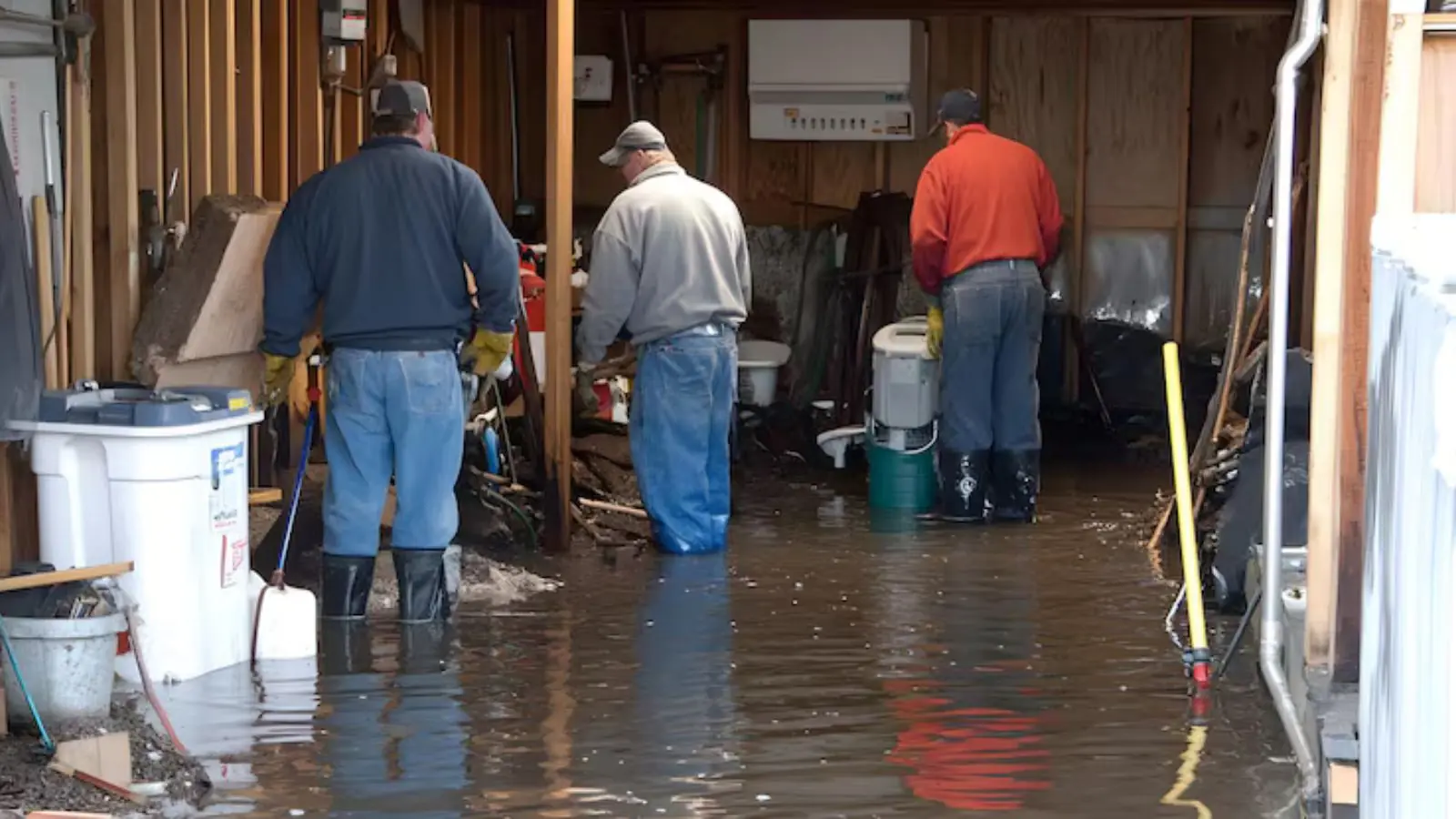
Stay out of the affected area and keep children and pets out too. Sewage carries contamination, so do not wade in, touch it or try to mop it up.
If water is near outlets, an appliance, or the electrical panel, or you smell gas, leave and call 911. Otherwise stop using water in the house, because every flush and sink drain can push more waste out.
Then work out whether the blockage is in your line or the main line, and call a crew.
Why sewage is treated differently
Based on IICRC S500 categories, Category 1 is clean water from a supply line or rain, Category 2 is gray water such as washer or dishwasher discharge and Category 3 is black water. Sewage and ground-surface flood water are Category 3. Category 2 water left over 48 hours can also become Category 3.
That category drives the work. Porous materials such as carpet, pad, drywall and insulation that contacted Category 3 water are generally removed rather than dried in place.
Backup right now?
Keep people and pets away from the affected rooms and call the 24/7 line.
Where sewage usually comes from
Backups tend to show at the lowest drain in the house, such as a floor drain in a garage, a shower or a ground-level bathroom. Waste has nowhere else to go when the line downstream is blocked, so it comes out where gravity lets it.
Roots, grease, wipes and collapsed pipe sections cause most blockages. A single slow drain may be a local clog, while several fixtures failing together suggests the main line.
Mark where it entered and how far it spread. That detail helps both the plumber and the crew.
What not to do
- Do not walk through the water or let children and pets near it.
- Do not run a household wet-dry vacuum or box fans through it. They spread contamination.
- Do not use the affected toilets, sinks, tubs or washing machine until the line is clear.
- Do not mix bleach with other cleaners to disinfect. Never mix bleach with ammonia.
- Do not throw away everything before photographing it for your records.
- Do not touch electrical equipment if standing water is nearby.
Handling the cleanup yourself without protective gear and proper disposal is the riskiest option. We do not recommend DIY for sewage.
Whose pipe is it
| Clue | Likely location | Who to call |
|---|---|---|
| Only one fixture backs up, such as a tub or shower | Branch drain inside your home | Plumber, then a restoration crew |
| Several drains back up together, especially the lowest ones | Main line, which may be yours or the sewer district side | Plumber and your sewer district |
| Sewage surfaces in a floor drain or cleanout | Main line stoppage | Sewer district and plumber |
| Neighbors report the same problem | Likely district line | Sewer district first |
| Water, not sewage, from a roof or hose | Different loss | Water mitigation crew |
Dispatch handles the cleanup and drying. We do not clear drain lines, and a plumber or the district does that part.
What the cleanup involves
Assess and protect
A crew puts on PPE, isolates the area and checks moisture with a meter and a thermal imaging camera.
Extract
Truck-mounted or portable extraction units remove standing contaminated water.
Remove affected materials
Carpet, pad, baseboard, and drywall that wicked contaminated water are cut out and bagged.
Clean and apply antimicrobial
Hard surfaces are washed with detergent, then treated with an antimicrobial suited to the surface.
Dry and verify
LGR dehumidifiers, air movers and HEPA air scrubbers run until readings meet the drying goal.
The broader process is laid out under flood damage restoration, and emergency water removal covers the first-response side.
Contents, floors and walls
Hard items like tile, sealed concrete and some furniture can often be cleaned and disinfected. Carpet, pad, upholstered furniture and cardboard that soaked up contaminated water are generally discarded.
Walls matter too. Drywall that wicked water upward from the floor is typically cut out above the visible line, and insulation inside is removed. Wood framing is cleaned and dried in place.
Photograph everything before it is bagged, and keep a list of items for your insurer.
Laguna Hills: your sewer district and your insurance
Moulton Niguel Water District provides wastewater service to its area and lists Laguna Hills. Which district serves an address varies, so check your bill for the district name. If the problem may be the main line, call your sewer district before you pay for work on a pipe that may not be yours.
The California Department of Insurance says homeowners policies generally exclude flood and a separate flood policy is needed. Sewer backup coverage varies by policy, so ask your insurer whether it is covered. Photograph the damage, keep receipts and wait for the adjuster before permanent repairs.
After the water is gone
Drying equipment stays in place until a moisture meter shows the structure has reached its goal. That can take several days, and sewage jobs also need cleaning and disinfecting before rebuild.
Odor, staining or dampness that returns after cleanup is a sign something stayed wet. Tell the crew rather than covering it with air fresheners or paint.
Rebuild work such as new drywall and flooring comes last, once the area is clean and dry.
Next steps
Call 911 for gas or electrical risk. Then call your sewer district if the main line is suspect, a plumber to clear the blockage and our 24/7 line at (949) 670-0939 for the cleanup.
Dispatch also covers Mission Viejo and Laguna Woods.
Sewage backup questions
Yes. Sewage is Category 3 water. Keep people and pets out, stop using drains and call a crew. If there is electrical or gas risk, call 911 first.
We do not recommend it. Sewage carries contamination, and porous materials generally have to be removed and disposed of properly. A crew uses PPE, extraction and antimicrobials.
Coverage varies. The California Department of Insurance says homeowners policies generally exclude flood, and sewer backup is a separate question. Ask your insurer whether it is covered.
Call your sewer district and a plumber. Moulton Niguel Water District provides wastewater service in its area and lists Laguna Hills. Check your bill for the district name.
Based on IICRC S500 categories, black water contains contamination from waste. Gray water left over 48 hours can also become Category 3.
Generally no. Porous materials that contact Category 3 water are usually removed. A crew can inspect hard surfaces and tell you what is salvageable.